
When a mother stands up during a PTA meeting and confesses that her daughter misses school every month because she cannot afford sanitary pads, you realize that period poverty is not just a statistic. It’s a crisis stealing opportunities from young girls across Nigeria, one cycle at a time.
This November, something remarkable happened in three schools across Nasarawa and Benue States. Olam Agri, a leading agricultural company, engaged SuS Pads as expert consultants to deliver menstrual hygiene management and reusable pads training as part of their WASH to School corporate social responsibility project a comprehensive program that goes far beyond distributing free pads. This initiative represents a fundamental shift in how we approach menstrual health education, combining infrastructure development, skills training, and economic empowerment into a sustainable model that promises to change lives for years to come. SuS Pads brought its specialized expertise to design and implement training that would maximize the impact of Olam Agri’s investment in these communities.
The Reality on the Ground: Why This Work Matters
Government Secondary School Awe in Nasarawa State, Government Secondary School Kanje in Nasarawa State, and St. Cecilia Secondary School Dauda in Benue State shared a common struggle before Olam Agri’s intervention. These institutions lacked access to safe water. Their toilet facilities were either non-existent or in such dilapidated condition that students avoided using them. For girls experiencing their periods, school became an impossible environment.
The mother who spoke at St. Cecilia painted a picture familiar to countless families across Nigeria. Her daughter’s education was being interrupted monthly, not due to lack of academic ability or interest, but because of something as fundamental as menstrual hygiene products. Yet her testimony also captured something else: hope. With training in making reusable pads, her daughter would not only manage her own periods with dignity but could also generate income to support the family.
Building More Than Bathrooms: Olam Agri’s Holistic Approach
Olam Agri’s WASH to School project demonstrates what corporate social responsibility looks like when it’s done right. The company didn’t just build toilets and walk away. They installed clean water sources, constructed gender-sensitive toilet facilities, and created the foundation for long-term menstrual health management.
But the real innovation lies in recognizing that infrastructure alone doesn’t solve period poverty. Girls need education about their bodies. They need practical solutions they can afford and maintain. They need communities that support rather than shame them. And they need economic opportunities that transform period products from a burden into a potential source of income.
SuS Pads’ Expertise: Dismantling Taboos Through Strategic Education
When SuS Pads facilitators Bolu Olorunfemi and Grace Sule walked into these schools, they encountered deep-seated misconceptions about menstruation. One boy, when asked to define menstruation, replied that it’s “when blood stops.” This response, while innocent, reveals the dangerous gap in understanding that exists when menstruation remains shrouded in silence and stigma.
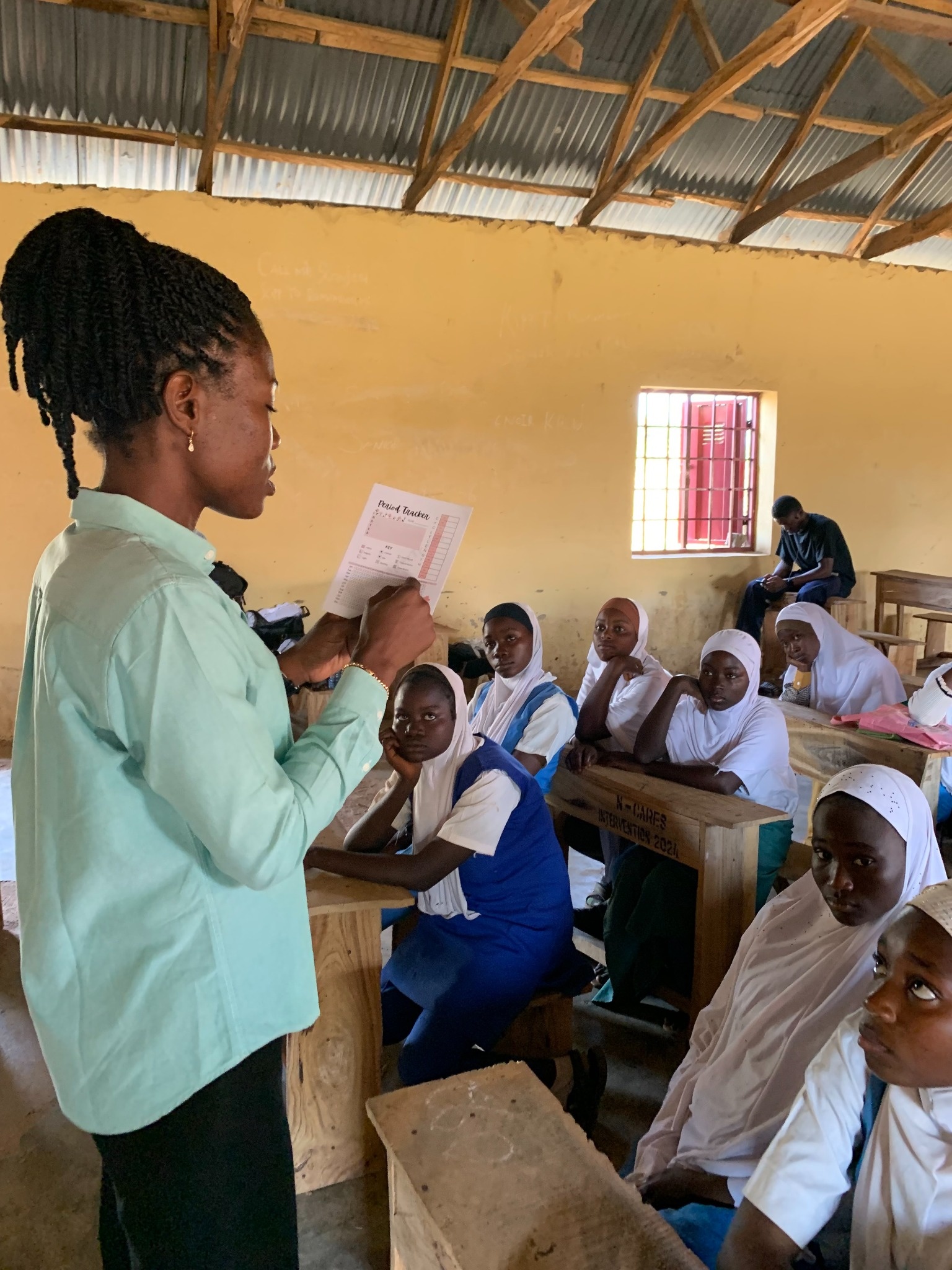
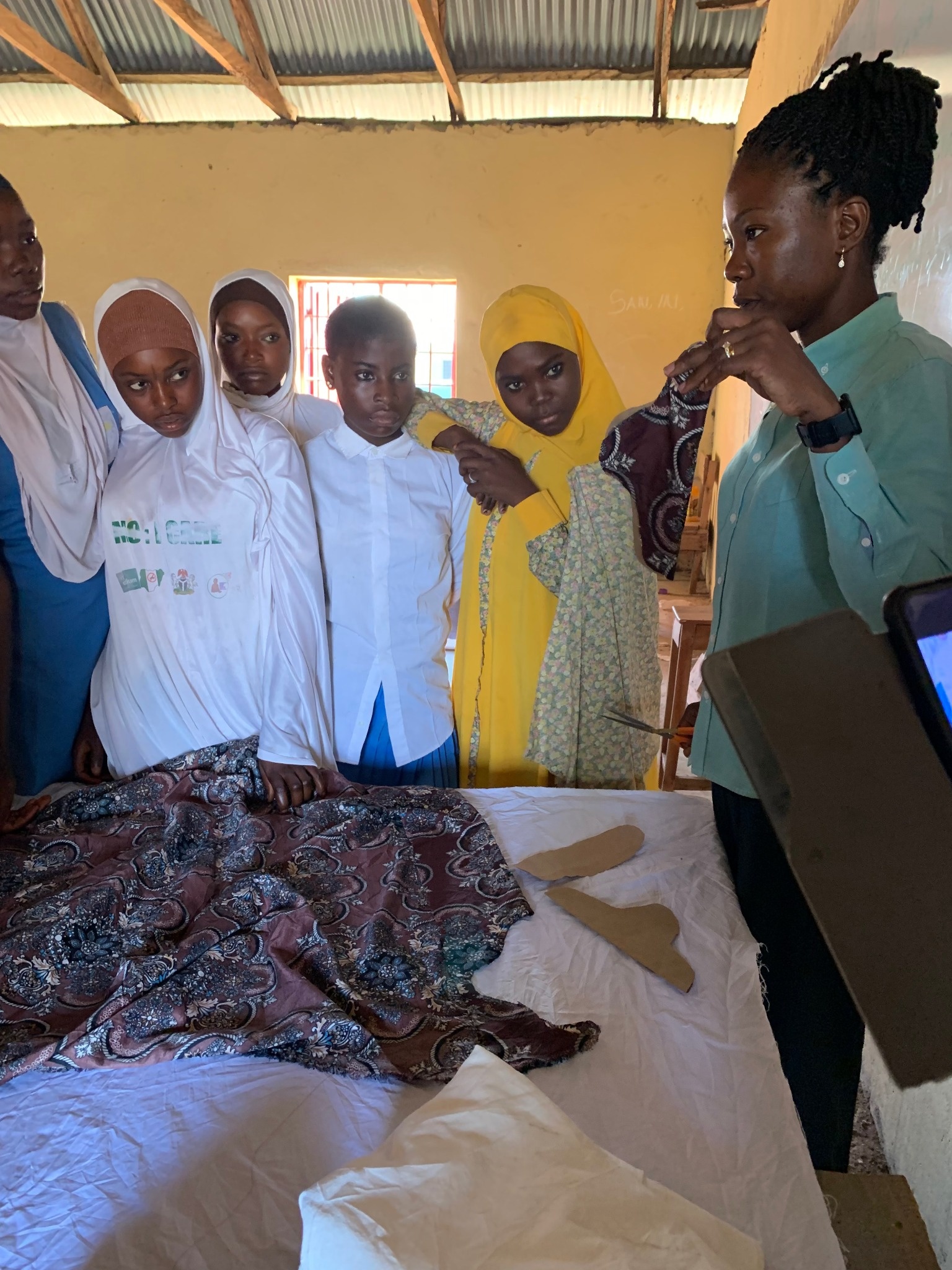
The educational sessions addressed this head-on. Girls received comprehensive instruction on the female reproductive system, learning that menstruation is neither a curse nor something to be ashamed of, but a natural biological process. The training covered practical matters often overlooked in standard health education: what foods support menstrual health, which exercises help with cramps and which should be avoided, how frequently to change pads, and even what type of underwear works best during periods.
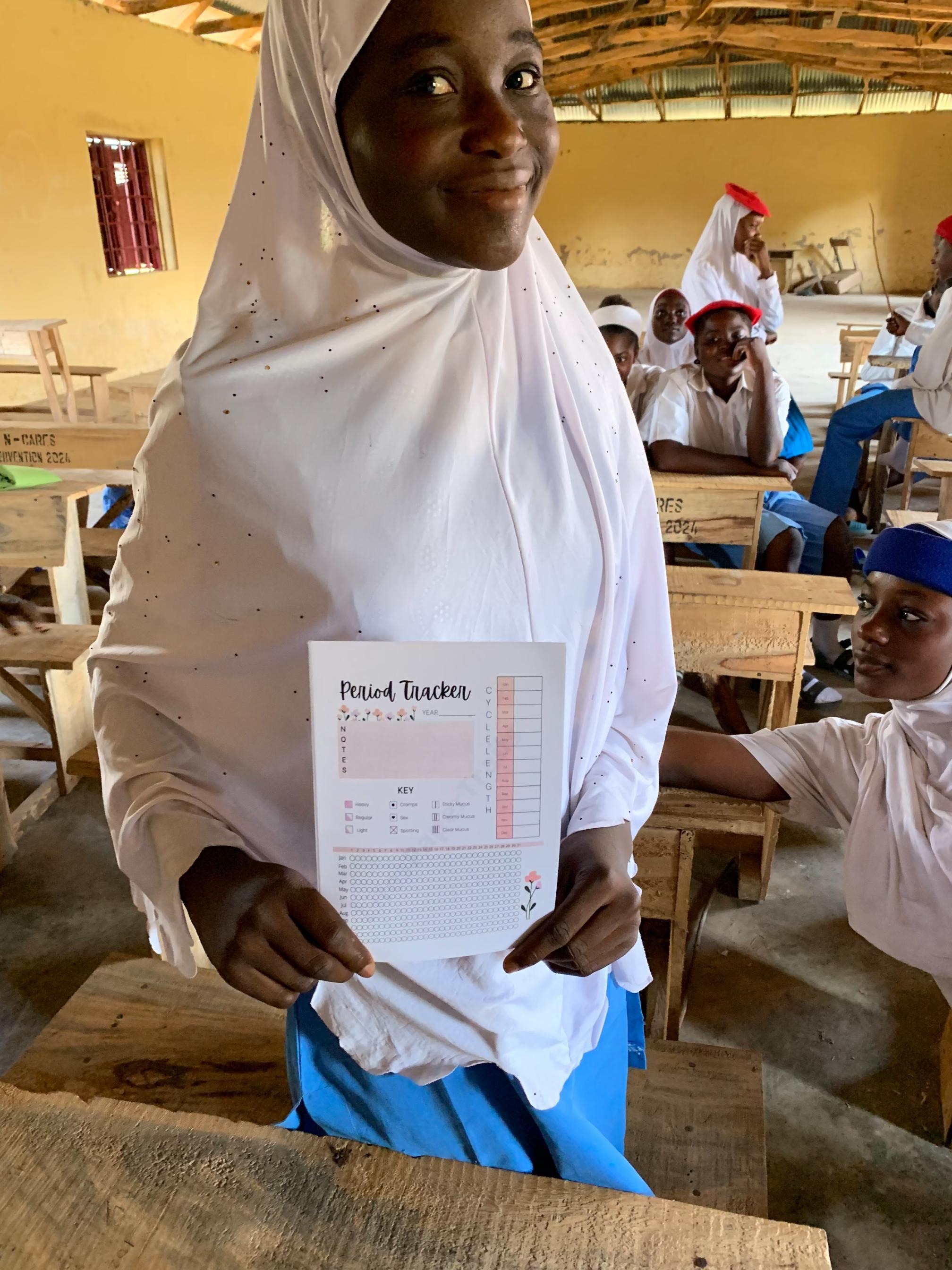
Students learned to use manual period trackers, gaining the ability to predict their cycles and plan accordingly. For young women whose periods have been sources of surprise and disruption, this knowledge represents a powerful form of control over their own bodies and schedules.
Why Boys Belong in This Conversation
Perhaps the most forward-thinking aspect of this program is the deliberate inclusion of male students facilitated by Mary Ruth Ochuole. Boys attended sessions designed to help them understand menstruation and become supportive allies to their female classmates. This approach recognizes a fundamental truth: menstrual stigma thrives in environments where half the population treats periods as mysterious, embarrassing, or taboo.
By educating boys alongside girls, the program cultivates a school culture where menstruation is normalized rather than hidden. Male students learn to recognize that their sisters, friends, and classmates are not weak or impure during their periods, they’re simply experiencing a natural bodily function that deserves respect and accommodation.
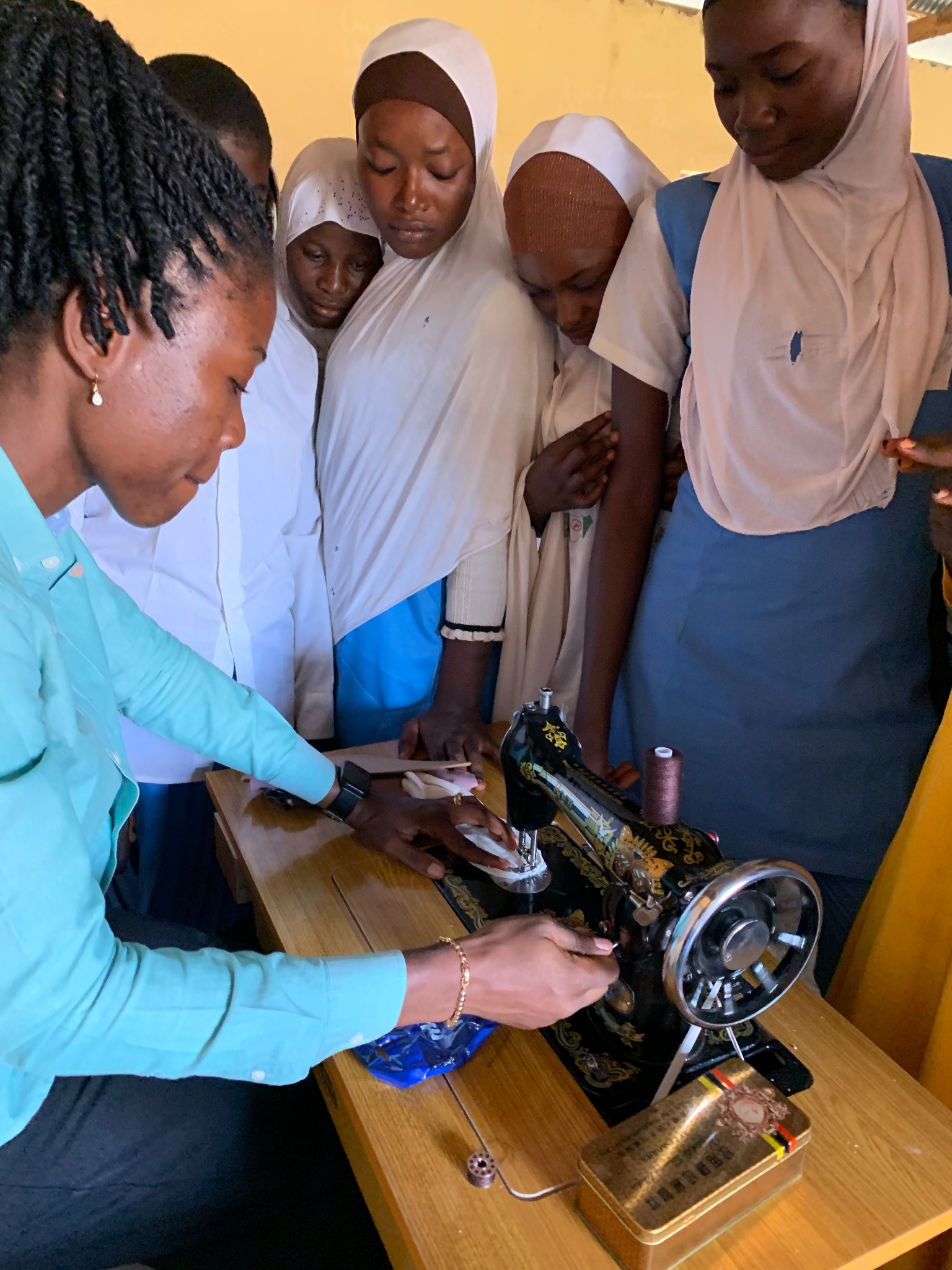
The success of this inclusive approach was beautifully illustrated when Michael, a male student at St. Cecilia Secondary School, took up a needle and thread and sewing machine to help his female classmates sew their reusable pads. In that moment, he wasn’t just participating in a craft project. He was actively dismantling the barriers that keep menstruation in the shadows.
Real Questions, Real Answers: Creating Safe Learning Spaces
The interactive format of these training sessions yielded something precious: trust. Students felt comfortable enough to ask questions they might have been too embarrassed to voice elsewhere. These weren’t hypothetical scenarios from a textbook. These were real concerns affecting their daily lives.
One girl asked whether missing periods for three months while still experiencing monthly cramps was normal. After confirming she wasn’t pregnant, facilitator Bolu Olorunfemi recommended consulting a gynecologist, explaining that such symptoms could indicate infection or other conditions requiring professional medical evaluation. This response modeled an important lesson: while education is valuable, some health concerns require professional medical care.
Another student inquired about pain relief medication during menstruation. Rather than dismissing the question or providing a one-size-fits-all answer, the facilitator recommended natural pain management methods, specifically hot water bottles applied to the abdomen. Students received clear guidance to avoid self-medication and only use pain relief drugs recommended by qualified doctors a crucial message in communities where informal drug vendors may be more accessible than proper healthcare.
These exchanges demonstrate the hunger for accurate health information among young people and the importance of creating environments where they can obtain it safely.
Beyond Disposal: The Environmental Case for Reusable Pads
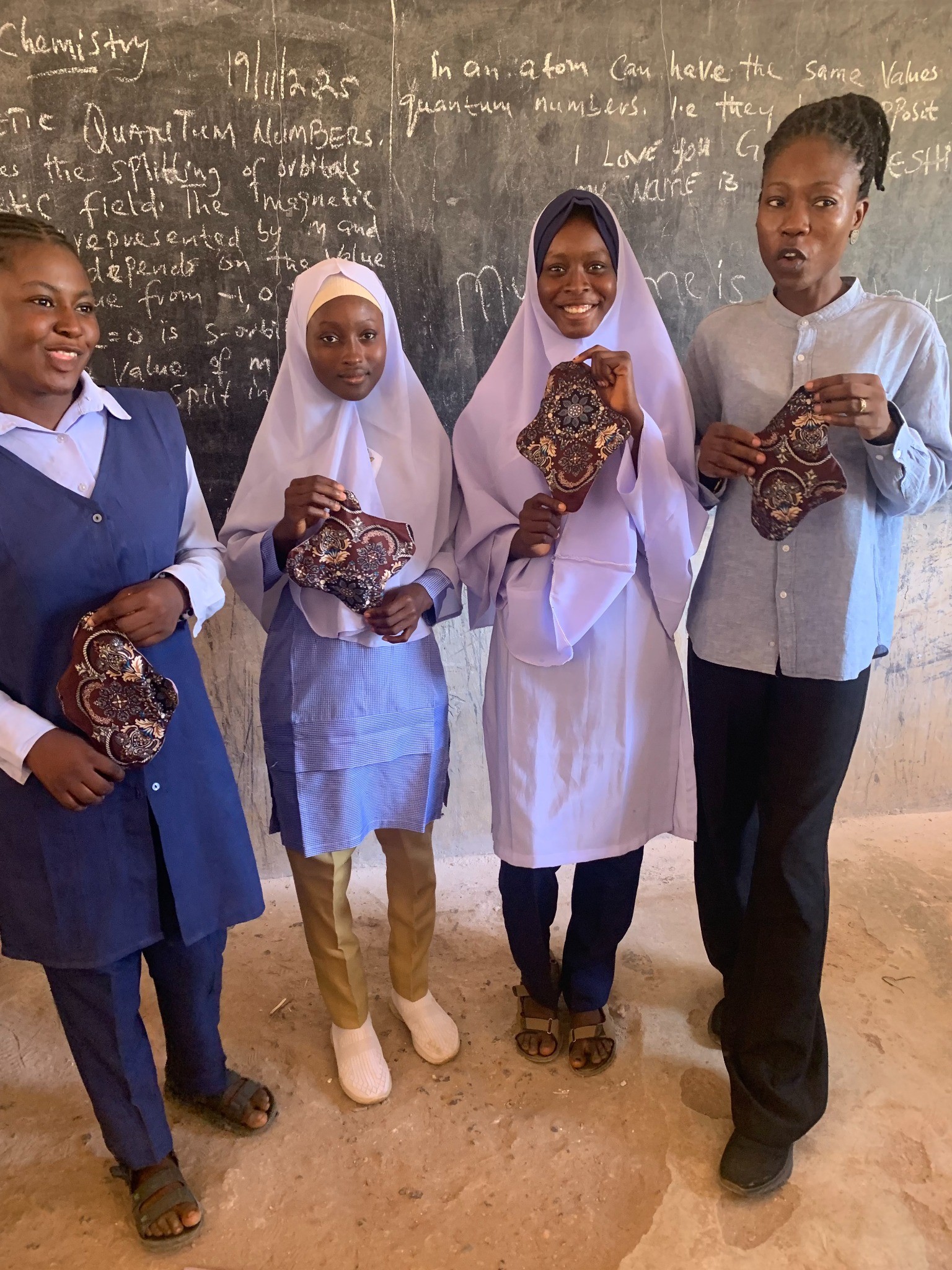
The training didn’t stop at menstrual health education. Students learned about reusable pads. What they are, how they function, and why they represent a superior option to disposable products. This wasn’t presented as a compromise made necessary by poverty, but as a genuinely better choice for multiple reasons.
Bolu Olorunfemi explained the environmental mathematics that make disposable pads so problematic. The plastics used in manufacturing these products take years to decompose. They accumulate in landfills, contributing to environmental degradation and climate change. For students growing up in a world increasingly affected by environmental challenges, understanding this connection between personal choices and planetary health proved eye-opening.
Students received detailed instruction on maintaining reusable cloth pads: how to wash them properly, which soaps work best, correct drying techniques, and safe storage practices. This practical knowledge transforms reusable pads from an interesting concept into a viable solution students can actually implement in their daily lives.
From Users to Makers: Skills Training That Empowers
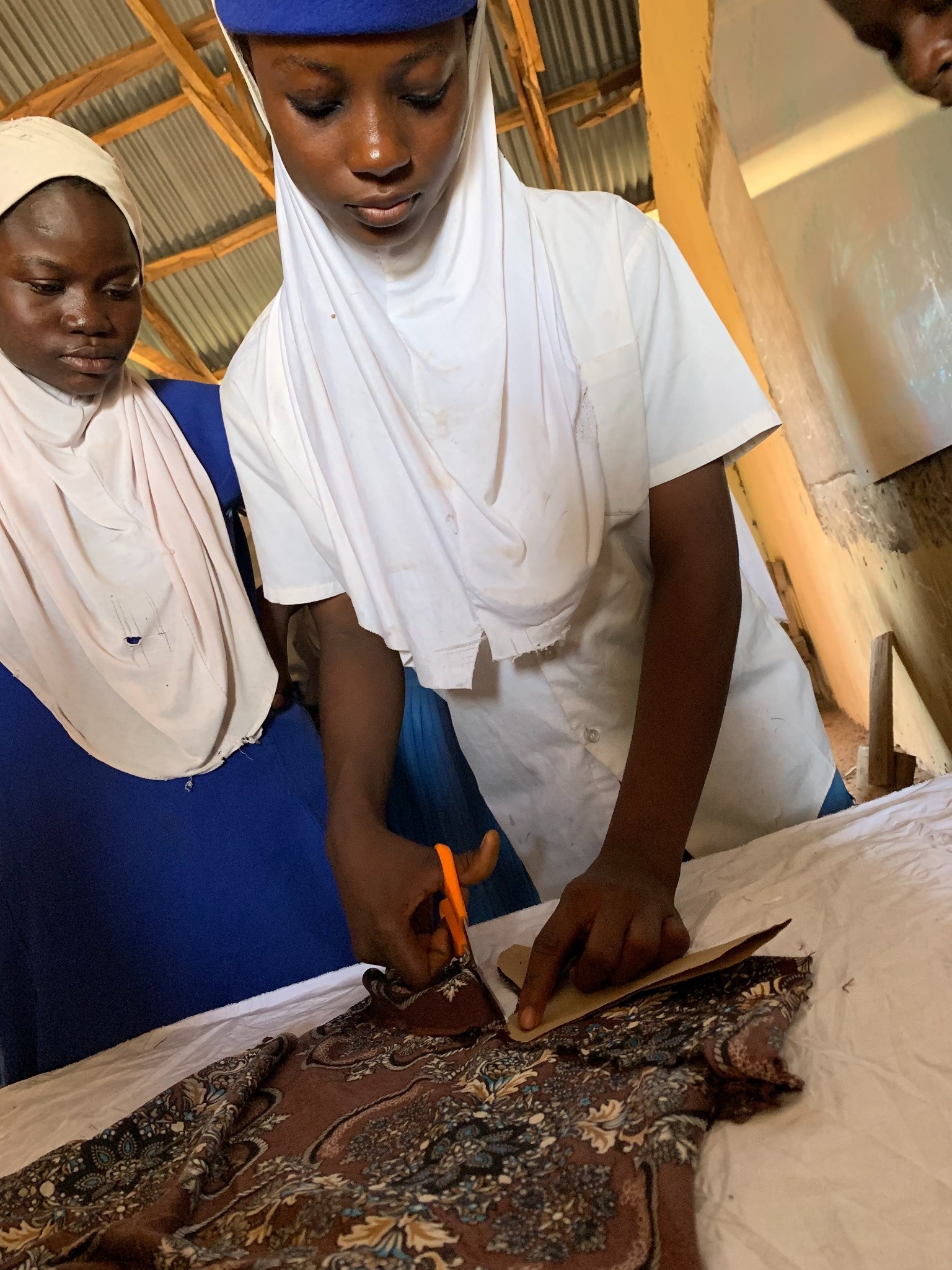
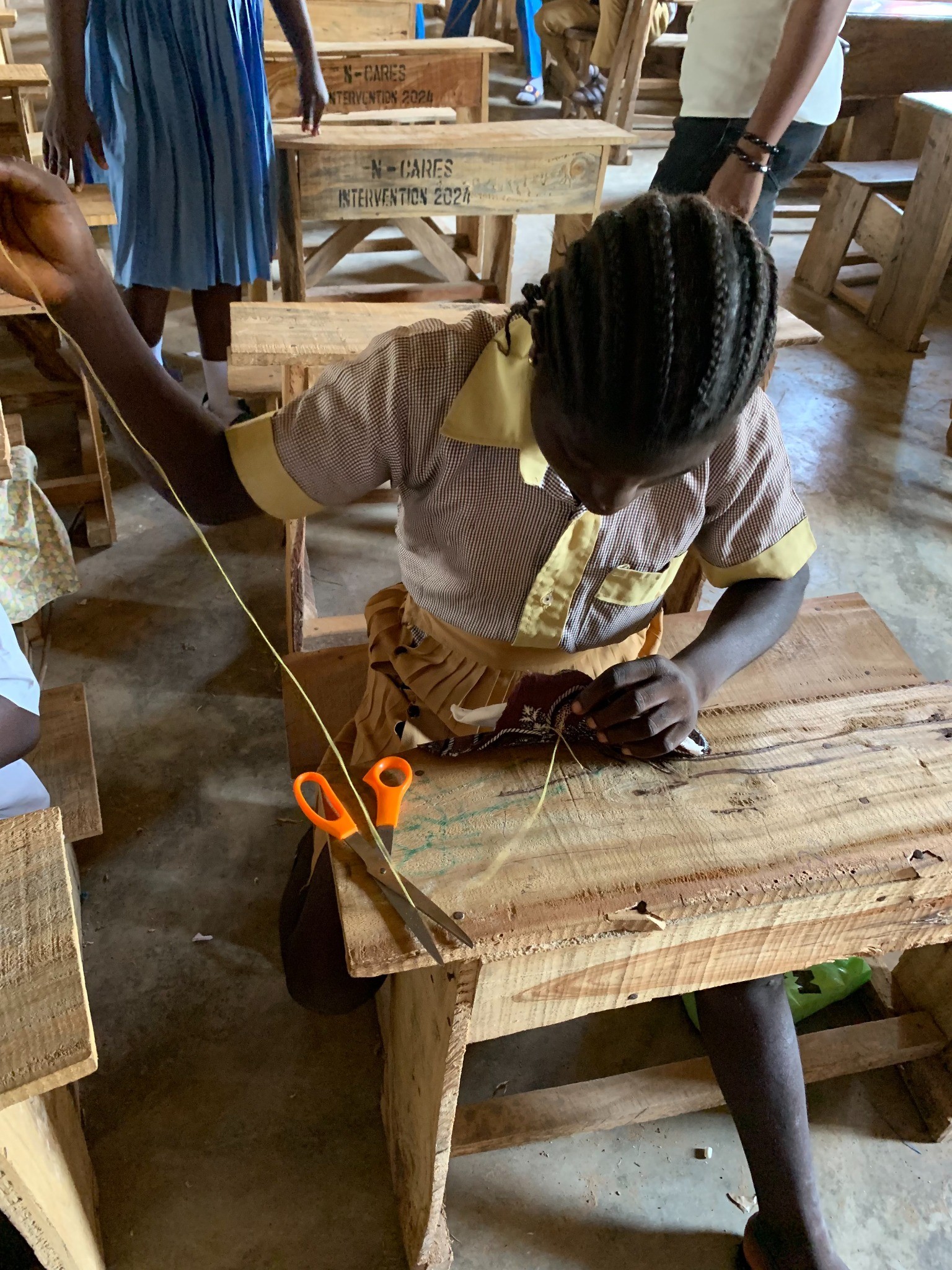
The program’s most transformative component may be teaching students to manufacture their own reusable pads. Participants learned every step of the process: which materials and tools they need, how to cut patterns correctly, proper sewing techniques whether by hand or machine, attaching buttons, and ensuring proper fit on underwear.
Most of the girls successfully cut their own pads and completed them using either hand needles or sewing machines. This hands-on experience builds multiple forms of capital simultaneously. Students gain practical skills they can use immediately to meet their own needs. They develop vocational abilities that translate into income-generating opportunities. And they experience the confidence that comes from creating something useful with their own hands.
The presence of allies in this process proved crucial. Michael, the male student who helped classmates sew their pads, and Mercy, an NYSC corps member who continued assisting students even after the formal training concluded, both demonstrate how skills and support can flow organically through communities when the right foundations are laid.
Infrastructure for Sustainability: Setting Schools Up for Long-Term Success
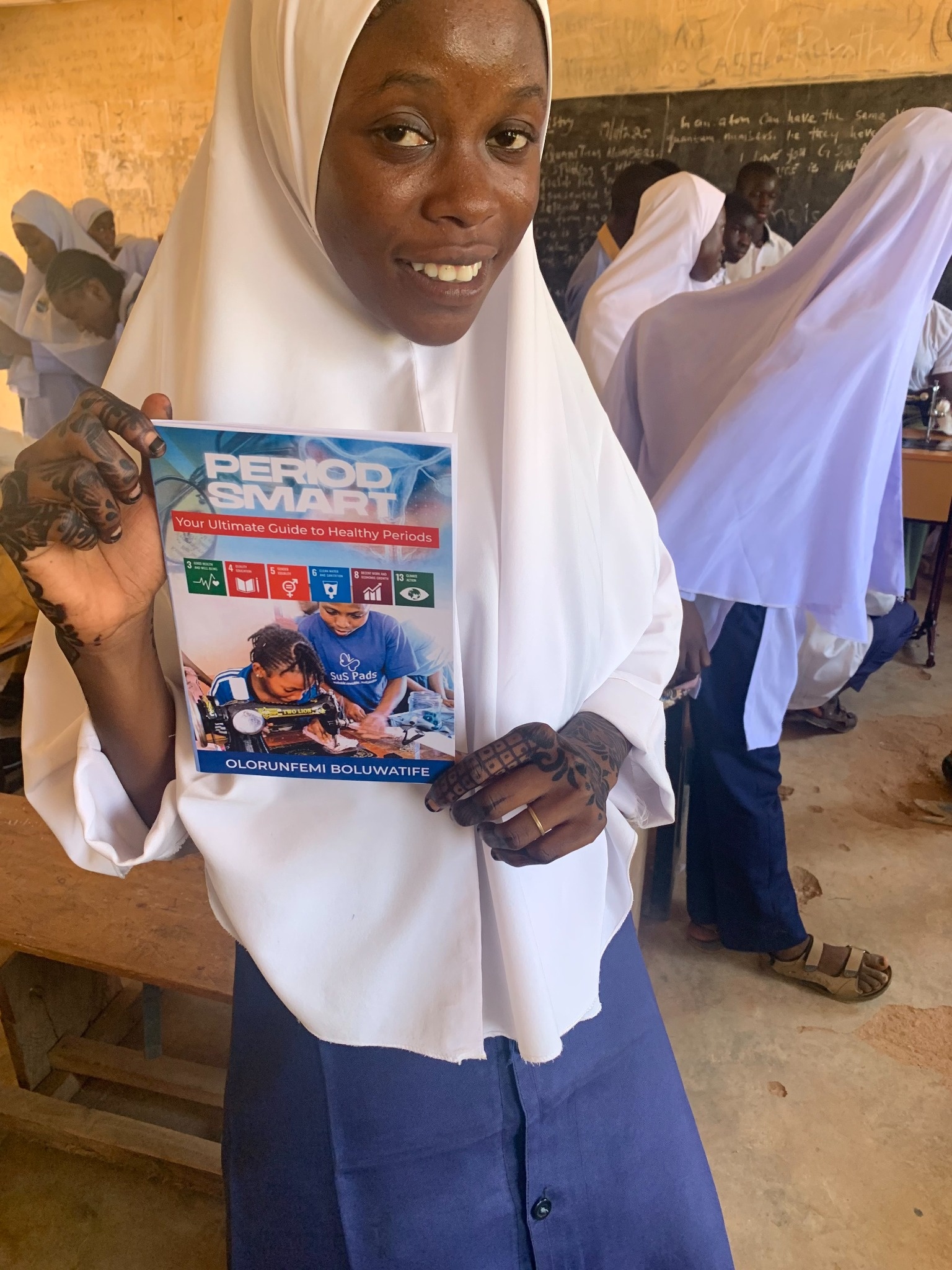
Olam Agri understood that a single training session, no matter how impactful, wouldn’t create lasting change without supporting infrastructure. The company provided new sewing machines to all three schools, along with comprehensive supplies: needles, thread, fabric, snap buttons, scissors, and more. Each school also received period trackers, storage bags, actual SuS Pads products as examples, notebooks, pens, and copies of “Period Smart: Your Ultimate Guide to Healthy Periods,” written by facilitator Bolu Olorunfemi.
These aren’t token gifts. They’re the tools students need to continue producing reusable pads long after the consultants have left. The materials enable ongoing practice and skill development. The reference books provide information students can return to whenever questions arise. The sewing machines transform these schools into mini production centers where students can create products for personal use and potentially for sale.
Building Systems, Not Just Running Programs
What distinguishes this initiative from typical one-off corporate social responsibility efforts is its systematic approach to sustainability. Olam Agri established hygiene clubs in each school with student leaders and appointed teacher advisors. These structures ensure that menstrual health education doesn’t end when the training does, it becomes integrated into the ongoing life of these institutions.
The schools now possess libraries of books and manuals on menstruation, menstrual health, and hygiene practices. Regular club meetings will use these resources to continue education, keeping information fresh and reaching new students as older ones graduate.
Perhaps most significantly, the economic empowerment component creates incentives for continued engagement. Students can use the materials and equipment to produce reusable pads for sale, generating income that supports their families. This transforms menstrual hygiene management from a charitable program into a sustainable economic activity that serves both individual and community needs.
The Ripple Effects: Beyond These Three Schools
The immediate impact of this program is measurable: hundreds of students educated, three schools equipped, numerous reusable pads produced. But the true significance extends far beyond these quantifiable outcomes.
Girls who previously missed school during their periods will now attend consistently, closing educational gaps that compound over time. Young women learning to track their cycles gain valuable data about their own health, enabling earlier detection of potential problems. Boys developing supportive attitudes toward menstruation will carry those perspectives into adulthood, potentially breaking cycles of stigma in their future families and workplaces.
The economic empowerment angle introduces additional multiplier effects. As students generate income from selling reusable pads, they contribute to household finances while building business skills. Some may discover entrepreneurial interests they pursue further. Others will simply gain the confidence that comes from earning money through their own efforts.
Communities benefit when schools become centers of practical education that extends beyond traditional academics. Parents see tangible value in keeping daughters enrolled. Local economies gain as students spend their earnings. Environmental quality improves as fewer disposable pads enter waste streams.
A Model Worth Replicating: SuS Pads’ Proven Approach
SuS Pads has consulted for individuals, NGOs, and organizations both nationally and internationally to address period poverty across Nigeria. Each consultation adds to a growing body of evidence about what works in menstrual hygiene management.
The consultancy work for Olam Agri demonstrates several principles worth noting for other organizations considering similar initiatives:
Comprehensive infrastructure matters. Clean water and proper sanitation facilities aren’t optional extras, they’re prerequisites for effective menstrual hygiene management.
Education must include everyone. Programs that exclude boys from menstrual health conversations miss opportunities to build supportive community cultures.
Skills training beats simple distribution. Teaching students to produce reusable pads creates more value than merely giving away products.
Sustainability requires systems. Hygiene clubs with ongoing resources and leadership structures embed changes into institutional fabric rather than treating them as temporary interventions.
Economic empowerment amplifies impact. When menstrual hygiene management connects to income generation, it engages families and communities in ways purely educational or charitable programs cannot.
Looking Forward
Period poverty remains a significant barrier to educational equity across Nigeria. Millions of girls continue losing school days each month, falling behind peers and sometimes dropping out entirely. The economic burden on families struggling to afford disposable pads creates difficult choices between menstrual products and other necessities.
Yet consultancy projects like SuS Pads’ work with Olam Agri prove that comprehensive solutions are possible. They require investment, certainly. They demand thoughtful planning and skilled facilitation from experienced consultants who understand the nuances of menstrual health education. They need commitment to sustainability rather than quick fixes.
But when organizations engage expert consultants like SuS Pads who approach menstrual hygiene management with the seriousness and creativity it deserves, remarkable transformations occur. Students gain knowledge, skills, and confidence. Schools become more inclusive and equitable. Communities shift from stigma toward support. And young women previously sidelined by poverty and taboo step into fuller participation in their own education and futures.
The three schools in Nasarawa and Benue States now model what’s possible. The question is how quickly and widely this model can spread to reach the countless other schools where girls are still choosing between education and managing their periods with dignity.
Organizations and individuals interested in implementing menstrual hygiene management training, reusable pad production programs, or period poverty alleviation projects can contact SuS Pads at hello@suspads.com or call 08079663559. Visit their website or reach them on WhatsApp https://wa.me/message/7WUDJOPRI5QJL1 to learn more about consultation services and partnership opportunities.
Recent Comments