

Table of Contents
ToggleIntroduction to Reusable Pads: A Sustainable Alternative
Reusable pads, also known as cloth pads or washable pads, offer a sustainable and eco-friendly alternative to disposable menstrual products. Unlike single-use pads, reusable pads can be washed and reused, making them both cost-effective and environmentally friendly. In the past, cloth pads were commonly used, but plastic-based disposable pads gained popularity over time. Now, reusable cloth pads are making a comeback, providing a practical solution that reduces the financial burden associated with disposable pads while minimising waste.
These reusable pads are typically made from absorbent and breathable materials such as organic cotton and bamboo. They are designed to be comfortable, preventing the discomfort often experienced with disposable pads. Plus, they come in various patterns, adding a touch of fun to an otherwise challenging time of the month. If you’re interested in embracing sustainability and contributing to a zero-waste world, reusable pads are definitely worth considering. Remember to change your pad at least twice a day for optimal hygiene and comfort.
Here’s a breakdown of the different types of reusable pads
Reusable pads offer an eco-friendly alternative to disposable menstrual products.
- Washable/Reusable Cloth Pads: Made from cotton fabric, flannel, fleece, jersey, or bamboo materials, these pads are comfortable and breathable. Some have a waterproof layer to prevent leakage. Most people use pads with a Polyurethane Laminate (PUL) and absorbent core.
- Menstrual Cups: These rubber or silicone cups are inserted into the vagina to collect menstrual blood. While they may be challenging for first-time users, they become more comfortable with practice.
- Menstrual Sponges: These sponges absorb menstrual blood and are lightweight and easy to carry. They can be reused for up to 12 months and are eco-friendly.
- Period Panties: These panties have built-in absorbent lining, making them suitable for girls who have just started menstruating. They come in different absorbency levels and are comfortable to wear.
- Reusable Panty Liners: Smaller and lighter pads, these are used for light blood flow and to prevent pant staining as the period winds down.
How reusable pads can make a difference

Reusable pads are a sustainable choice that benefits both you and the environment. Reusable menstrual pads are a sustainable solution to period poverty, benefiting both the environment and those in need.
- Period Poverty and Its Impact:
- Period poverty refers to the lack of access to sanitary products due to financial constraints.
- Many women resort to using scraps of tissue or even socks, which can lead to infections.
- This global issue affects vulnerable populations, especially in developing countries.
- Reusable Pads: A Solution:
- Reusable pads are comfortable, secure, and cost-effective.
- Made from recycled and reusable materials, they are easy to wash and simple to reuse.
- By switching to reusable pads, individuals can have a better period experience while reducing waste and plastic pollution.
- Cultural Challenges:
- In some regions, cultural taboos restrict menstruating women from cooking or going outside.
- Lack of menstrual products forces girls to use unsanitary methods, impacting their education and well-being.
- Empowering Girls:
- NGOs are empowering girls by teaching them how to create their own reusable menstrual pads.
- This initiative boosts girls’ confidence, increases school attendance during menstruation, and reduces period poverty.
Reusable pads offer a sustainable and empowering solution to alleviate period poverty, ensuring that having a period is not an additional challenge for vulnerable individuals
Benefits of using reusable menstrual pads
- Economical: Reusable pads are cost-effective because they last longer.
- Durable: Properly maintained reusable pads can last 3-5 years without wearing out.
- Eco-friendly: Using reusable pads benefits both your body and the environment.
- Reusable: These pads are washable and can be used multiple times, reducing waste.
- Reduced health hazards: Reusable pads eliminate the risk of toxic shock syndrome (TSS) associated with some disposable pads. They are also chemical-free and safer for your health.
- Less odour: Reusable pads have less odour compared to disposable ones.
Significant environmental benefits of reusable cloth pads
Reusable cloth pads positively impact the environment by reducing waste. Unlike disposable pads, which contribute to landfills and pollution, reusable pads can be washed and reused for several years. By choosing reusable options, individuals help conserve landfill space and minimise the environmental impact associated with feminine hygiene product disposal. Additionally, the production and use of reusable pads generally consume less energy and resources, resulting in a smaller carbon footprint over their lifecycle.
Tips to consider when shopping for fabric to make reusable pads
- Choose Workable Materials: For beginners, opt for fabrics that are easy to work with. Avoid slippery or heavy materials, as they can be challenging to sew. Look for soft, easy-to-wash, and highly absorbent fabrics.
- Common Choices: Cotton fabrics are a great choice for reusable pads because they are light and breathable. Flannel or bamboo fabric are also good alternatives.
- Absorbency Layer: Select soft and absorbent materials for the absorbency layer. Towelling materials work well for this purpose.
- Leak-Proof Materials: To prevent leakage, use leak-proof or waterproof materials. Many people prefer Pul fabric for this purpose.
Remember to enjoy the process and choose fabrics that match your project’s needs.
Important factors to consider when shopping for materials for making reusable pads
- Weight of the Fabric: It’s essential to think about the weight of the fabric. Heavyweight materials might not be suitable for everyday use, especially in a house. Opt for lighter, softer fabrics to ensure comfort.
- Texture: When choosing fabric, pay attention to its texture. Smoother fabrics are less likely to irritate your skin during movement. Avoid rough textures that could cause discomfort.
- Ease of Washing: Before making a purchase, check if the fabric is easy to wash. Fabrics that are simple to clean will save you time and effort in the long run.
- Absorbency: If you’re selecting fabric for specific purposes (such as pads or clothing), consider its absorbency. More absorbent fabrics are better suited for absorbing liquids, like blood. This can enhance comfort and functionality.
Remember, these considerations will help you make informed choices when shopping for materials.
Concise list of the tools and equipment you’ll need for Making reusable pads
- Sewing machine: Essential for stitching the pads.
- Fabric: Choose soft, absorbent material like cotton or flannel.
- Thread and needle: For sewing the layers together.
- Scissors: To cut the fabric.
- Pins: Useful for holding fabric layers in place.
- Marker: To trace patterns on the fabric.
- Drafting paper: For creating pad templates.
- Snap buttons or normal buttons: For securing the pads.
Here are the steps to create your own reusable pads
- Create the Pad Base:
- Start by making a template on a sheet of cardstock. Cut a diamond shape with rounded edges, approximately 9 inches high and 8 inches wide.
- Use this template to cut two pieces out of cotton flannel (or cotton fabric) and waterproof material. These will be the exterior layers of your pad.
- Sew the two pieces together with the right sides facing in, leaving a vertical slit in the middle.
- Turn the piece right-side out through the slit and press it with a hot iron.
- Topstitch around the top of the pad base for a finished look.
- Create the Pad Liner:
- Make another template on cardstock, this time a vertical rectangle with rounded top and bottom edges (about 8 inches high and 2½ inches wide).
- Cut the fabric using this template. You can use the same fabric as the base or choose a different one.
- Layer the liner on top of the base, aligning the slit in the base with the centre of the liner.
- Sew the liner to the base, securing them together.
- Finish by adding snaps or buttons for closure.
Remember to choose absorbent materials that suit your needs and preferences.
Tips for preserving reusable pads
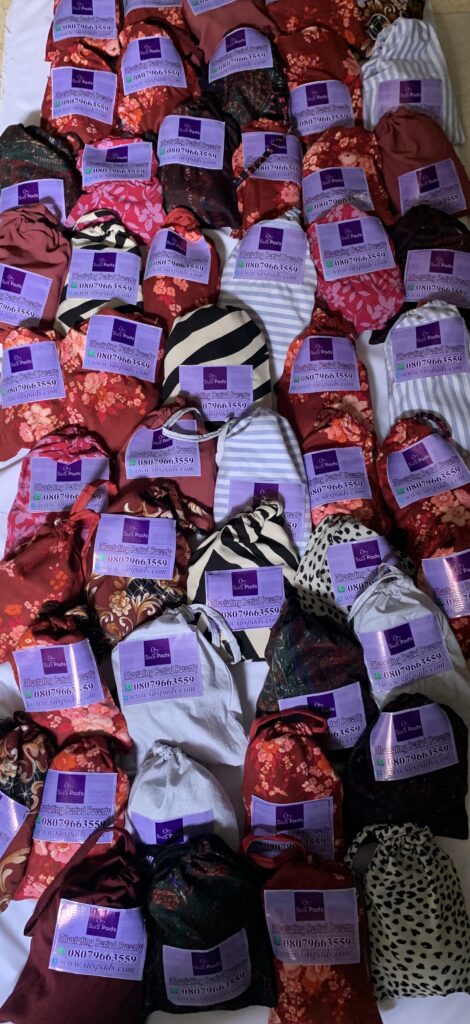
Taking care of reusable pads is essential to ensure their longevity and maintain hygiene.
- Rinse Immediately: After use, rinse the pad under cold water to remove any blood or stains. Gently press it between your hands or against a clean towel to remove excess water. Avoid wringing or twisting, as it can damage the fabric.
- Washing Instructions:
- Hand Washing: Wash the pad in cool water with mild soap. You can use a stain remover, hydrogen peroxide, or lemon juice to address any stains. Rinse thoroughly and hang it to air-dry or lay it flat. Sun-dry it but avoid it staying too long in direct sunlight to prevent fading and material damage.
- Machine Washing: If using a washing machine, place the folded pad in a waterproof bag until you’re ready to wash. Use a detergent free of perfumes or dyes. Wash in warm or cool water, and avoid dishwasher detergent (as it contains dyes). Hang dry or tumble dry on low heat for up to two hours only.
- Storage: Fold and secure the pads with snaps or buttons before storing them in a menstrual waterproof bag. Lay them flat to avoid damage when not in use
Remember to follow these steps regularly to keep your reusable pads clean, fresh, and ready for your next period!
0 Comments