
As the world continues to grapple with the issue of period poverty, many women and individuals with uteruses are seeking out sustainable and eco-friendly alternatives to traditional disposable pads and tampons. Reusable menstrual pads have gained popularity in recent years, but one common concern is whether they are truly hygienic and safe to use. In this article, we’ll delve into the health aspects of reusable menstrual pads, exploring their hygiene, infection risks, and overall impact on period poverty.
Table of Contents
ToggleHygiene and Infection Risks
Reusable menstrual pads are designed to be washed and reused multiple times, which can raise concerns about hygiene and infection risks. However, when properly cared for, reusable pads can be just as hygienic as disposable options. Here are some tips to ensure cleanliness:
- Wash immediately: Wash your reusable pad after each use with mild soap and warm water.
- Dry thoroughly: Dry your pad thoroughly after washing to prevent bacterial growth.
- Use a liner: Consider using a liner or waterproof backing to absorb any leakage and prevent staining.
- Store properly: Store your reusable pad in a clean, dry place when not in use.
By following these guidelines, the risk of infection is minimal. According to a study published in the Journal of Clinical Virology, reusable menstrual pads are no more likely to cause vaginal infections than disposable products (1).
Alleviating Period Poverty
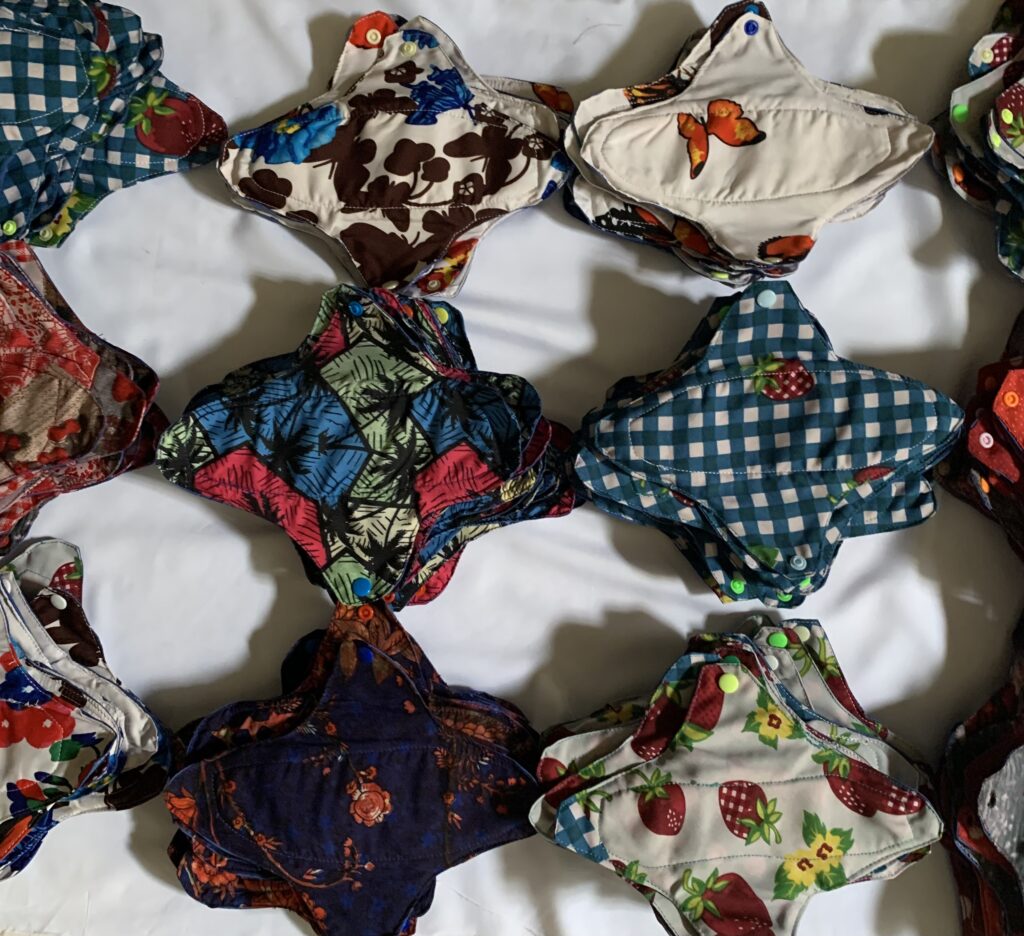
Reusable menstrual pads can be a game-changer for individuals experiencing period poverty. Traditional disposable products can be expensive, with the average cost per month ranging from N2,000 to N5,000 (approximately $5-13 USD). Reusable pads, on the other hand, can be made at home for a fraction of the cost. This accessibility can help alleviate financial burdens and reduce waste.
In addition, reusable pads can be shared among family members or friends, making them a practical solution for those who cannot afford individual supplies.
Risk and Dangers
While reusable menstrual pads are generally safe, there are some potential risks to consider:
- Staining and odors: Improper washing or drying can lead to staining and unpleasant odors.
- Skin irritation: Some individuals may experience skin irritation or allergic reactions to certain materials used in reusable pads.
- Overuse: Overusing reusable pads without proper cleaning and maintenance can lead to bacterial growth and infection.
To minimize these risks, it’s essential to follow proper care instructions and handle your reusable pad with care.
Conclusion
Reusable menstrual pads offer a sustainable and eco-friendly alternative to traditional disposable products. By following proper hygiene guidelines and taking steps to prevent infection risks, individuals can enjoy the benefits of reusable pads while prioritizing their health and well-being.
For those experiencing period poverty, reusable pads can be a lifesaver, providing access to affordable and reliable menstrual protection.
References:
- “Comparison of the bacterial flora of reusable menstrual pads with disposable sanitary products” (Journal of Clinical Virology, 2018)
0 Comments